
Masonry Repair & Tuckpointing
Failed joints and spalled brick, repaired to a written spec.
Learn moreMost 'mystery' chimney leaks come down to two paths: a cracked crown or failed flashing. We confirm which one before quoting anything — water staining patterns, crown condition, and flashing laps all get photographed and read as evidence. Crown repairs range from flexible sealant on hairline cracking to full recasting with proper overhang and drip edge. Flashing work means step and counter-flashing set into masonry joints, not smeared roofing cement. The distinction matters because sealing the wrong component leaves the real path open. Each repair closes out with photos and the criteria the fix was checked against.
Most 'mystery' chimney leaks come down to two paths: a cracked crown or failed flashing. We confirm which one before quoting anything — water staining patterns, crown condition, and flashing laps all get photographed and read as evidence. Crown repairs range from flexible sealant on hairline cracking to full recasting with proper overhang and drip edge. Flashing work means step and counter-flashing set into masonry joints, not smeared roofing cement. The distinction matters because sealing the wrong component leaves the real path open. Each repair closes out with photos and the criteria the fix was checked against.
At Chimney Standard, a crown & flashing repair is never guesswork. We scope every job from a graded, photographed inspection first — the NFPA 211 level the evidence calls for — so the work is matched to what your flue and masonry actually need, with the report to prove it. The documented inspection is the record the crown & flashing repair is built on.
Chimney inspectionWe've worked on 0+ DFW homes over 15+ years. Every job — small sweep or full rebuild — runs the same way: certified technicians, written quotes, photo reports, warranty in writing.
CSIA-certified inspectors only
Written quote before any work begins
1-year workmanship warranty
Insurance-grade photo documentation
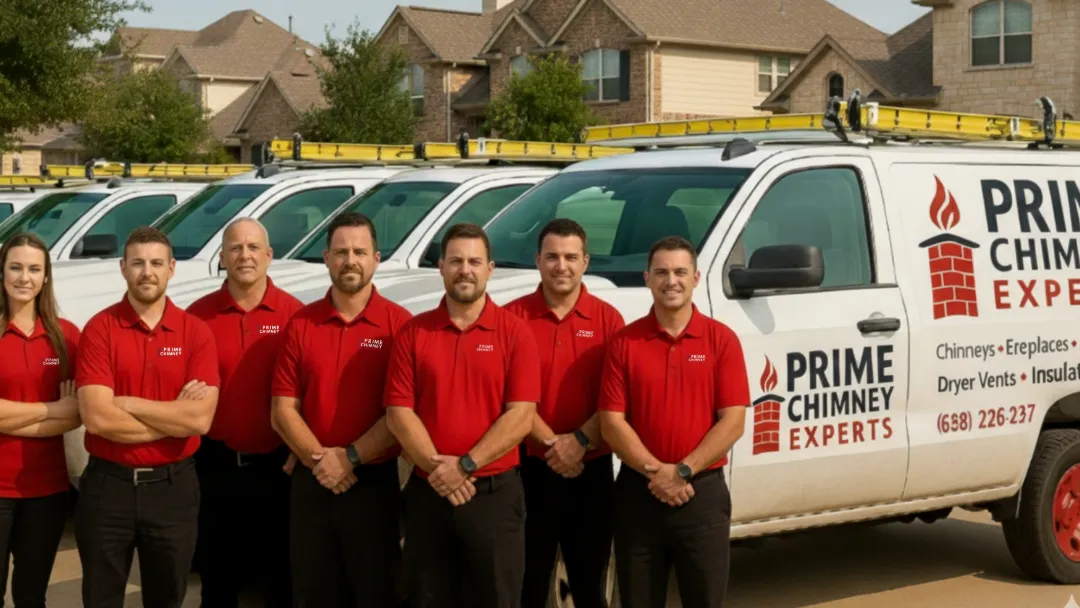
Family-owned, CSIA-certified, NFPA 211–compliant. We're the team you call when you want it done right the first time — no rotating subcontractors, no upsell pressure, no surprises. Same techs, same trucks, same standard.
They're tiers of access, defined in NFPA 211. Level 1 covers readily accessible areas — the routine annual check when nothing has changed. Level 2 adds a camera scan of the flue interior plus attics and crawl spaces, and it's required at property sale, after a fire, or when the appliance or fuel changes. Level 3 involves removing components or finish materials to reach a suspected hidden hazard. Each tier has to be justified by the one below it.
NFPA 211 names the triggers: sale or transfer of the property, after a chimney fire or operating malfunction, after external events like storms or seismic activity, and whenever you change the fuel type or connect a new appliance. If any of those apply, a Level 1 isn't sufficient — the standard wants the flue interior scanned, not just eyeballed from the top and bottom.
A written report, standard turnaround 48 hours. It lists every checkpoint with a pass or fail verdict, a photo behind each finding, the relevant code or standard reference, and — when something fails — what correcting it involves. It's a document you can forward to an insurer, a buyer, or another contractor for a competing bid. Nothing we say on-site counts until it's in the report.
The honest answer is: when measurement says so. NFPA 211 requires annual inspection, but sweeping is triggered by creosote depth — 1/8 inch is the threshold. A fireplace burning most nights all season usually hits that in about a year. Occasional weekend fires might take two or three. We measure at each inspection and only recommend a sweep the measurement supports.
General home inspectors do visual checks from the ground and the firebox — their own standards of practice put chimney flue interiors outside scope. The failures that cost real money, like gapped flue tiles and hidden cracking, only show on a camera scan. That's why NFPA 211 specifies a Level 2 at property transfer. Plenty of chimneys pass; the point is knowing before you close, not after.
Last reviewed:
Other services in the Repair category.
Flat fee confirmed when you book. Same-week scheduling. A pass/fail verdict within 48 hours.
Chimney fire, storm hit, active leak, or a flue you're not sure about? We answer 7 AM to midnight and the assessment ends in a written safe-to-use verdict — including a do-not-use notice when the evidence supports one. After-hours dispatch runs subject to crew availability.
Emergency line